
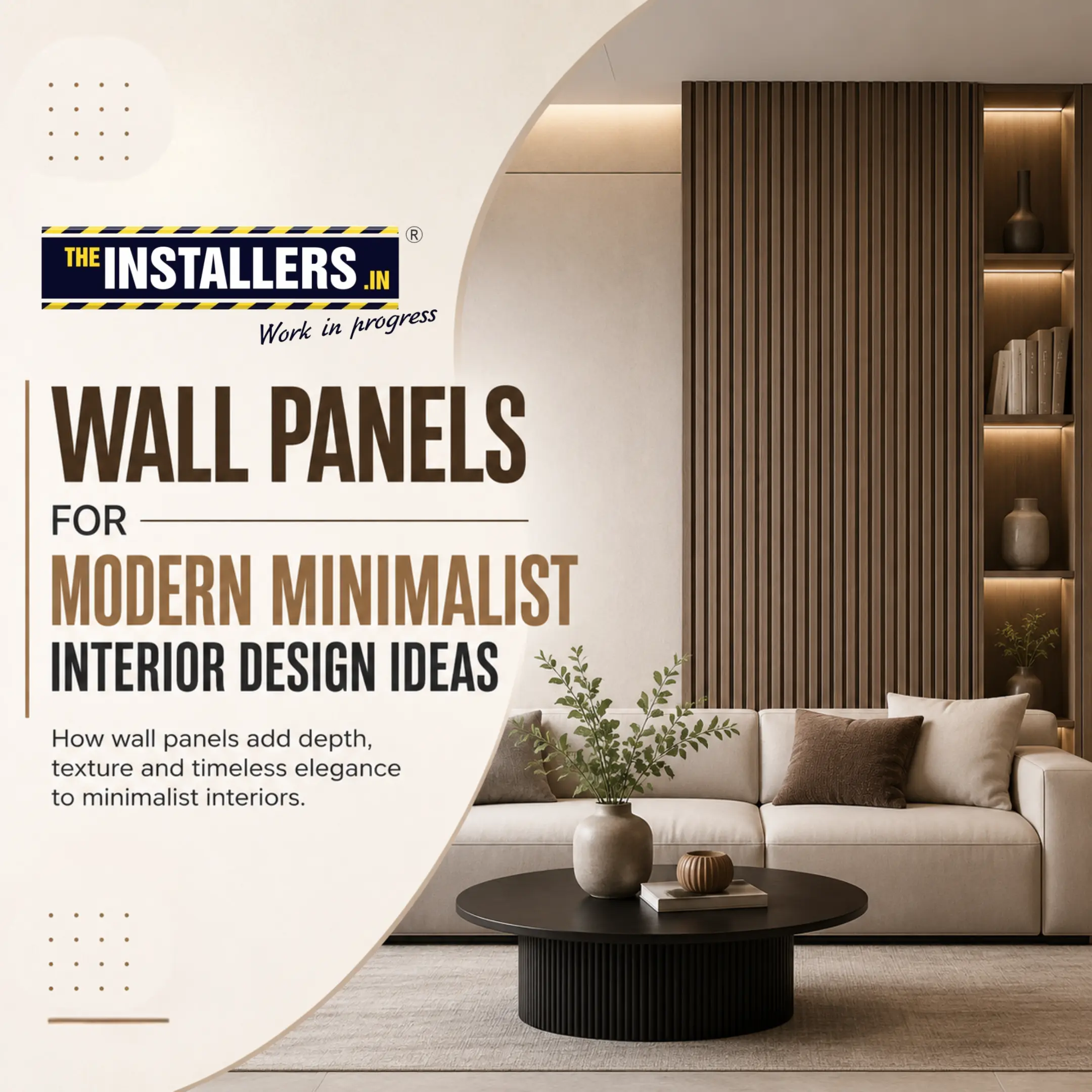

Wall Panels can completely transform minimalist interiors by adding texture, depth, warmth, and visual character without making the space feel cluttered. From fluted and slatted designs to MDF, WPC, and textured panels, they create a sophisticated architectural element while maintaining the clean and simple look that defines modern minimalist design.
Wall Panels are especially effective when a room feels too plain or lacks a strong visual focal point. With the right material, colour, pattern, lighting, and professional installation, a simple wall can become one of the most striking elements of the entire interior.
Minimalist design is not about removing every detail. It is about choosing fewer elements and making each one count. Wall panels allow homeowners and designers to introduce visual interest through texture and dimension instead of adding excessive decoration.
What Makes Minimalist Interiors Feel Flat
A minimalist room usually relies on restraint. Too many colours, patterns, accessories, or decorative elements can quickly make a space feel busy. However, when every wall is completely plain, an interior can sometimes feel flat or unfinished.
This is where texture becomes important. Instead of introducing more furniture or decorative objects, a textured wall can become the design element itself. The result is a space that remains uncluttered while gaining warmth, dimension, and personality.
The Role of Texture
Texture gives the eye something to explore. Vertical grooves, subtle reliefs, natural wood grains, geometric patterns, and layered surfaces can create shadows that change throughout the day. This makes a minimalist wall feel dynamic without depending on bright colours or excessive decoration.
The Role of Light
Wall panels interact with both natural and artificial light. Grooves, slats, and raised surfaces create highlights and shadows that make a wall appear more dimensional. Carefully positioned ambient lighting, spotlights, or LED strips can emphasize these details and create a premium visual effect.
Why Wall Panels Work So Well in Minimalist Interiors
Wall Panels provide a way to introduce detail without sacrificing the simplicity that defines minimalist design. They can establish a focal point, add warmth, visually organize a room, and complement furniture without overwhelming the space.
They Add Depth Without Adding Clutter
A panelled wall can provide the visual interest that artwork or multiple decorative objects might otherwise create. This keeps surfaces clean while allowing the wall itself to become part of the interior architecture.
They Create a Strong Focal Point
A single feature wall behind a television, sofa, bed, dining table, or reception desk can immediately establish a visual anchor. Instead of filling the room with accessories, the wall itself becomes the statement.
They Add Warmth to Neutral Spaces
Warm wood tones, natural textures, and earthy finishes can make a neutral minimalist room feel more inviting. This is particularly useful when the furniture and flooring are already simple and understated.
Types of Wall Panels That Work in Minimalist Interiors
Fluted Wall Panels
Fluted panels use repeated vertical grooves to create rhythm and shadow. They work particularly well behind television units, beds, sofas, and dining areas. Fine fluting can create a refined architectural look without becoming visually heavy.
Wood Slat Wall Panels
Wood slat wall panels bring warmth and linear structure to a minimalist interior. Natural wood and wood-look finishes can soften neutral palettes and create a welcoming atmosphere. Their clean vertical lines also complement modern furniture and contemporary architecture.
MDF Wall Panels
MDF wall panels offer flexibility in shapes, profiles, finishes, and decorative patterns. They can be used to create geometric designs, framed sections, fluted details, or simple full-height feature walls. They are particularly useful when the design requires a customised visual treatment.
WPC Wall Panels
WPC wall panels can provide a wood-inspired appearance with a practical material option for selected interior applications. They are suitable for homeowners who want contemporary texture and a modern finish while considering durability and maintenance requirements.
3D Wall Panels
Three-dimensional wall panels create stronger relief and shadow effects. They can be used selectively on feature walls where a sculptural appearance is desired. In minimalist interiors, restraint is important because a strong three-dimensional pattern can become the room’s main visual statement.
Textured Wall Panels
Stone-inspired, fabric-inspired, concrete-effect, and other tactile surfaces can add subtle character to minimalist rooms. The right texture can create richness without introducing another dominant colour or excessive decoration.
How to Use Wall Panels Without Losing the Minimalist Look
The secret is not simply choosing a beautiful panel. It is using the panel in the right proportion and combining it with complementary elements.
Choose One Strong Feature
Instead of paneling every wall, consider using one main feature surface. A single wall behind a television, bed, sofa, or dining table can create enough visual interest for the entire room.
Keep the Colour Palette Controlled
Minimalist interiors usually benefit from a limited colour palette. If the panel already has strong texture, choose surrounding colours that support rather than compete with it. Warm beige, off-white, taupe, grey, natural wood, and muted earthy tones can work particularly well.
Balance Texture With Smooth Surfaces
A textured wall becomes more effective when it is surrounded by smoother finishes. Pairing wall panels with plain walls, clean cabinetry, simple furniture, and uncluttered flooring creates contrast and prevents the room from feeling overloaded.
Use Lighting to Highlight the Texture
Warm LED strips, wall washers, spotlights, and carefully positioned ambient lighting can emphasize grooves and surface relief. Lighting should enhance the panel rather than create distracting glare.
Think About Scale
The size and spacing of the panel profile should suit the room. Fine grooves can feel refined in smaller spaces, while larger profiles may create a stronger architectural statement in spacious living rooms, villas, offices, or commercial interiors.
Wall Panels for Different Rooms
Living Room
A wall panel behind the television or sofa can create a sophisticated focal point. Combining panels with concealed storage, lighting, or a simple media unit can produce a clean and integrated appearance.
Bedroom
Wall panels behind the bed can act as a visual headboard and give the room a more finished appearance. Vertical profiles can add a sense of height, while warm wood finishes can create a calm and comfortable atmosphere.
Dining Area
A panelled dining wall can define the dining zone without requiring additional decoration. A subtle textured panel combined with warm lighting can make the area feel more intimate.
Home Office
Wall panels can help a home office feel more structured and professional. Acoustic panel systems can also provide sound absorption in suitable applications, making them useful where appearance and acoustic comfort are both important.
Commercial Spaces
Reception areas, offices, restaurants, retail spaces, and hospitality interiors can use wall panels to reinforce brand character and create a memorable environment. Panels can also help visually divide large open spaces while maintaining a consistent design language.
How Wall Panels Can Make a Room Feel Larger or Taller
Panel direction and proportion can influence how a room is perceived. Vertical lines can draw the eye upward and create a sense of height, while horizontal treatments can emphasize width. The overall effect depends on panel scale, spacing, lighting, ceiling height, and surrounding finishes.
Vertical Wall Panels
Vertical slats and grooves can visually stretch the wall upward. This can be particularly effective behind beds, television units, or in rooms with lower ceilings.
Horizontal Wall Panels
Horizontal layouts can emphasize the width of a wall and work well in long living rooms, corridors, or media areas.
Full Height Wall Panels
Floor-to-ceiling paneling can create a continuous architectural surface. It can also help integrate doors, storage, lighting, and other elements into a cohesive design.
Professional Wall Panel Installation Matters
Even the best wall panel design can lose its impact if installation is inaccurate. Uneven alignment, visible gaps, inconsistent spacing, poorly finished corners, or incorrect measurements can affect the entire appearance of a feature wall.
Accurate Measurements
Precise measurements help determine panel placement, material requirements, cuts, and alignment.
Surface Preparation
The wall should be checked and prepared so the panels can be installed on a suitable surface.
Panel Alignment
Consistent spacing and alignment are essential for fluted, slatted, geometric, and repeated designs.
Clean Finishing
Corners, edges, joints, outlets, switches, and transitions require careful finishing to achieve a professional result.
Why Choose The Installers
At The Installers, we focus on professional installation and precise workmanship. From measurements and surface preparation to alignment and final finishing, our team helps turn premium wall panel materials into polished interior features.
- Professional Site Survey
- Accurate Measurements
- Expert Installation
- Precision Alignment
- Clean Finishing
- Timely Project Execution
- Installation Warranty
Common Wall Panel Mistakes to Avoid
- Using too many different textures in one room.
- Choosing a panel profile that is too large for the space.
- Ignoring lighting when planning the feature wall.
- Covering every wall when one feature wall would be more effective.
- Mixing too many competing colours and materials.
- Ignoring corners, switches, outlets, and other finishing details.
- Choosing materials without considering the room’s conditions and maintenance requirements.
Minimalism works best when every design decision has a purpose. Wall panels should support the architecture of the room rather than compete with it.
Wall Panel Design Direction for 2026
Modern interiors are moving toward warmer, more tactile spaces. Wall panels are increasingly being used to introduce natural textures, dimensional profiles, earthy colours, and architectural detail while keeping the overall composition restrained.
Fine fluting, natural wood tones, matte finishes, geometric reliefs, and integrated lighting can create depth while maintaining a clean visual language. The larger design idea is simple: minimalism can remain clean without feeling cold.
The Key Design Principle
Use texture instead of clutter. Let the wall create the visual interest, then keep the rest of the room intentional and balanced.
Final Thoughts
Wall Panels can completely change how a minimalist interior looks and feels. They add depth, texture, warmth, rhythm, and architectural character without requiring excessive decoration.
The best results come from choosing the right panel style, scale, colour, placement, lighting, and installation method. A carefully planned feature wall can become the defining element of a living room, bedroom, office, reception area, or commercial space.If you want a minimalist interior that feels premium rather than plain, Wall Panels offer a practical way to introduce dimension while keeping the overall design clean.