
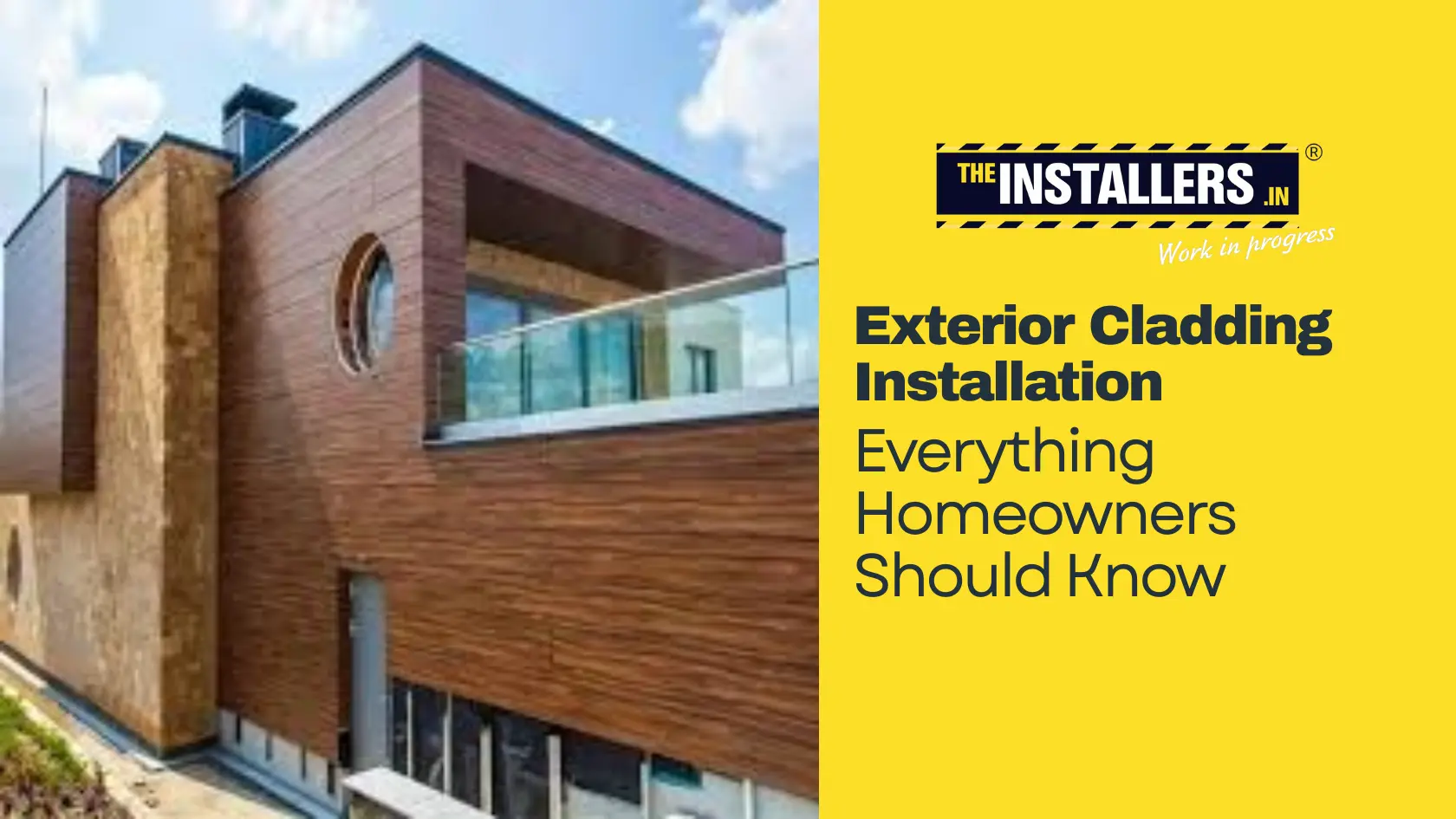

Introduction: More Than Just an Outer Layer
The exterior of a home is the first line of defense against weather, temperature changes, and environmental wear. It also plays a major role in defining how a home looks and feels. While many homeowners focus on interiors, exterior cladding installation is equally important—it protects the structure, improves durability, and enhances overall appearance.
With modern materials and design options, exterior cladding has evolved from a purely functional element into a smart architectural solution. This guide explains what exterior cladding is, why it matters, and how homeowners can choose the right option with confidence.
What Is Exterior Cladding?
Exterior cladding is a protective layer installed on the outer walls of a building. It acts as a shield against external elements while adding texture, color, and visual appeal.
Key purposes of exterior cladding include:
- Protecting walls from weather exposure
- Improving thermal performance
- Enhancing structural durability
- Elevating exterior design
Cladding materials are fixed over the main structure using proper frameworks and fastening systems.
Why Exterior Cladding Installation Matters for Homes
Professional exterior cladding installation delivers both functional and aesthetic advantages.
Homeowners benefit through:
- Improved resistance to heat, rain, and wind
- Reduced wall maintenance over time
- Better insulation support
- Long-lasting exterior finish
- Enhanced curb appeal
Cladding acts as a protective envelope that extends the lifespan of exterior walls.
Types of Exterior Cladding Used in Residential Homes
Choosing the right cladding depends on climate, design preference, and maintenance expectations.
1. Fiber Cement Cladding
Fiber cement cladding is widely used for its strength and low maintenance.
Benefits include:
- High durability
- Resistance to moisture and pests
- Fire-resistant properties
- Clean, modern appearance
Ideal for:
Contemporary home exteriors and long-term protection.
2. Wood Cladding
Wood cladding offers a natural and warm aesthetic.
Advantages:
- Timeless visual appeal
- Natural texture and tones
- Enhances architectural character
Ideal for:
Homes aiming for a classic or eco-inspired exterior look.
3. PVC & Composite Cladding
PVC and composite cladding provide modern performance with minimal upkeep.
Key features:
- Lightweight construction
- Moisture and rot resistance
- Easy cleaning and maintenance
Ideal for:
Homes requiring low-maintenance exterior solutions.
4. Stone & Stone-Finish Cladding
Stone cladding delivers a premium and durable finish.
Why homeowners choose it:
- High durability
- Natural, textured appearance
- Strong weather resistance
Ideal for:
Feature walls and accent exteriors.
Benefits of Exterior Cladding Installation
1. Enhanced Protection
Cladding shields the home from:
- Rain and moisture penetration
- UV exposure
- Temperature fluctuations
- External wear and tear
This reduces long-term structural damage.
2. Improved Thermal Performance
Exterior cladding supports better insulation by:
- Reducing heat transfer
- Maintaining indoor temperature balance
- Improving overall comfort
This contributes to energy efficiency.
3. Low Maintenance Exterior
Cladded surfaces require less frequent:
- Repainting
- Repairs
- Cleaning
This makes exterior cladding installation a practical long-term solution.
4. Visual Appeal & Design Flexibility
Cladding allows homeowners to:
- Customize textures and colors
- Create modern or traditional looks
- Enhance architectural details
It adds depth and character to exterior walls.
5. Long-Term Durability
High-quality cladding materials withstand:
- Weather exposure
- Structural movement
- Daily environmental stress
Professional installation ensures durability for years.
Exterior Cladding vs Traditional Wall Finishes
| Feature | Exterior Cladding | Traditional Paint/Finish |
| Durability | High | Moderate |
| Weather protection | Strong | Limited |
| Maintenance | Low | Frequent |
| Design options | Wide | Limited |
| Lifespan | Long-term | Short-term |
Exterior cladding provides better long-term value for homeowners.
Importance of Professional Exterior Cladding Installation
Correct installation directly affects performance and lifespan.
Professional installation ensures:
- Proper surface preparation
- Secure framework installation
- Accurate panel alignment
- Weather-tight fixing
- Clean finishing
Improper installation can lead to moisture issues and reduced durability.
Common Mistakes Homeowners Should Avoid
- Choosing cladding without climate consideration
- Ignoring ventilation requirements
- Using low-quality materials
- Skipping professional installation
- Focusing only on appearance, not performance
Avoiding these mistakes protects both the structure and investment.
How to Prepare Your Home for Cladding Installation
Before installation, homeowners should:
- Inspect exterior wall condition
- Address existing cracks or moisture issues
- Finalize material and design choices
- Ensure proper drainage planning
Preparation helps achieve a smoother installation process.
Long-Term Value of Exterior Cladding Installation
Exterior cladding offers lasting benefits:
- Increased structural protection
- Reduced maintenance costs
- Improved exterior aesthetics
- Enhanced property value
- Better home durability
It is a smart upgrade for homeowners focused on longevity and performance.
Conclusion: A Smarter Approach to Exterior Protection
Exterior cladding installation is not just an aesthetic upgrade—it is a strategic investment in your home’s protection and longevity. By selecting the right materials and ensuring proper installation, homeowners can achieve a durable, visually appealing, and low-maintenance exterior.
Strong, Non-Promotional CTA:
Before finalizing any exterior upgrade, take time to understand how cladding materials, installation quality, and long-term performance work together. Informed decisions today lead to stronger, better-protected homes tomorrow.