
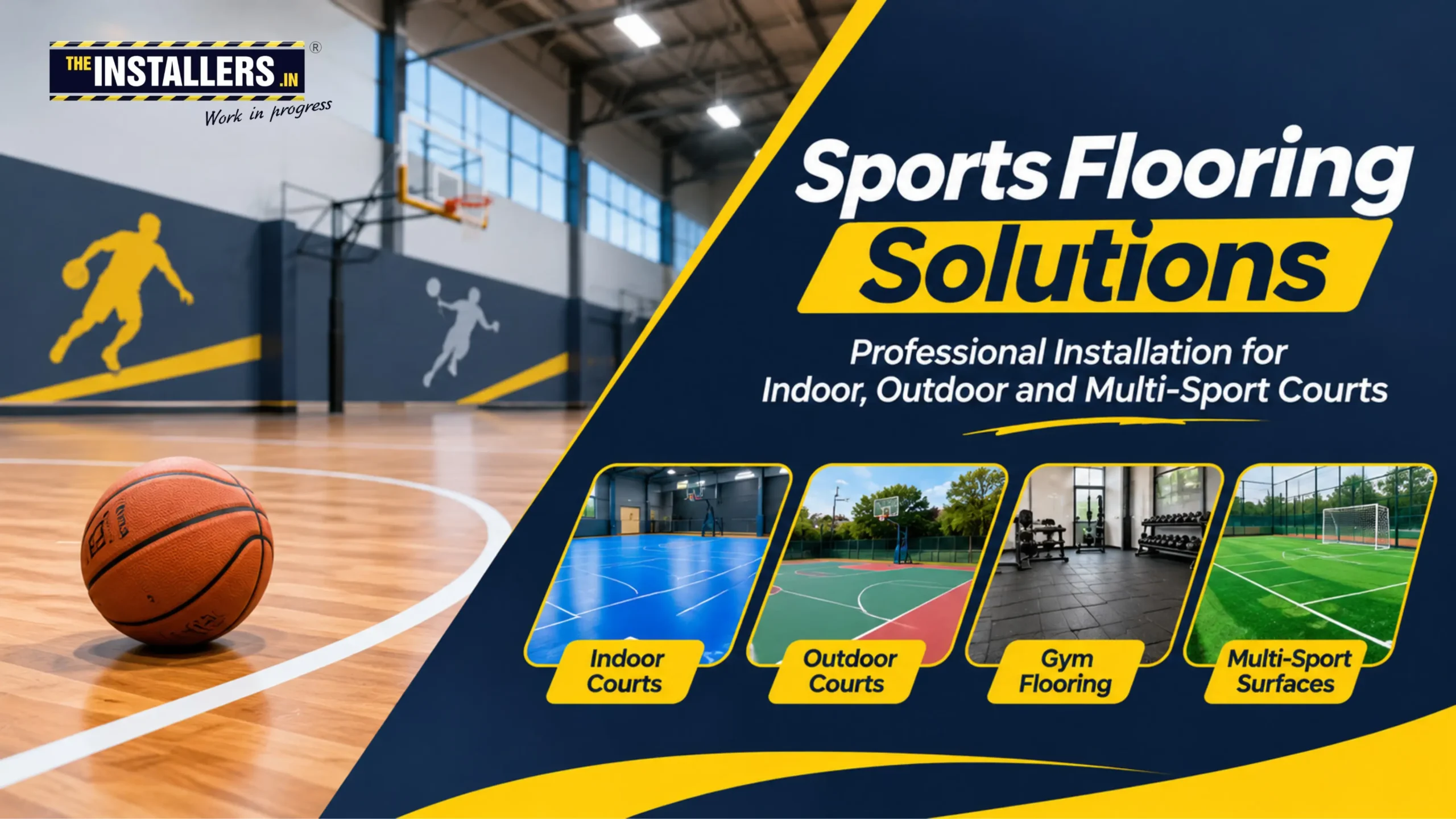

Sports Flooring Solutions are an important part of creating safe, functional and well-organised spaces for physical activity. Whether the project is an indoor basketball court, an outdoor play area, a gym or a facility designed for multiple sports, the flooring surface influences how the space looks and how it can be used. A suitable surface needs to match the activities planned for the venue, the conditions of the site and the expectations of the people who will use it.
Choosing a flooring product is only one part of the process. The installation itself matters just as much. Measurements, subfloor preparation, layout planning, alignment, fixing methods and finishing all contribute to the final result. A surface that is not installed according to the product and project requirements may develop uneven areas, visible joints or premature wear. This is why professional sports flooring installation should be considered from the early stages of a sports facility project.
The Installers provides professional installation services for sports flooring as part of its wider flooring and interior installation work. This guide explains the main considerations for sports flooring projects, the differences between indoor and outdoor applications, and why careful installation is essential.
1. What Are Sports Flooring Solutions?
Sports Flooring Solutions refer to flooring systems selected and installed for spaces where people participate in sports, exercise, training or recreational activities. These spaces can include school courts, sports academies, fitness centres, gyms, indoor stadiums, community facilities and outdoor recreational areas.
There is no single surface that suits every sport or venue. A gym floor may have different requirements from a basketball court, while an outdoor multi-sport area must account for weather exposure and site drainage. The intended use should guide the selection of the flooring system. The product manufacturer’s technical guidance and the project specification should always be checked before work begins.
A well-planned sports flooring project considers the type of activity, expected foot traffic, location, indoor or outdoor conditions, maintenance requirements, available subfloor and the way the venue will be used. These factors help the project team identify a suitable system and plan the installation process.
2. Indoor Sports Flooring for Controlled Playing Environments
Indoor courts are commonly used for activities such as basketball, badminton, volleyball, table tennis and other recreational sports. Since these areas are protected from direct weather exposure, the flooring system can be selected around the venue’s sporting requirements, indoor environment and maintenance plan.
The condition of the base surface is an important starting point. Before installation, the site should be assessed for level, cleanliness, moisture-related concerns where relevant, and any defects that could affect the finished floor. The selected flooring system may have specific requirements for surface preparation, acclimatisation, adhesives, fixing or installation conditions. These instructions should be followed rather than relying on a one-method-fits-all approach.
Layout planning is also essential. Court markings, boundaries and other visual elements need to be coordinated with the flooring layout. Accurate measurements and clear reference lines help installers position the surface consistently and reduce avoidable errors during fitting.
3. Outdoor Sports Flooring for Open-Air Facilities
Outdoor courts and recreational spaces face different site conditions from indoor venues. Sunlight, rain, temperature changes, dust and water drainage can all affect the way an outdoor sports surface performs over time. The selected system must be appropriate for the intended outdoor application and installed according to its technical specifications.
A site inspection should consider the condition and slope of the base, drainage arrangements, exposure to weather and the surrounding area. Water should not be allowed to collect in a way that conflicts with the flooring system’s requirements. Where the project includes markings or separate activity zones, these should be planned before installation so that the layout is consistent.
Outdoor sports flooring can be used in schools, residential communities, clubs, training facilities and public recreational spaces. The correct choice depends on the sports planned, the expected level of use and the conditions at the site. A professional installer can help execute the approved layout, while product suitability should be confirmed against the project requirements.
4. Gym Flooring for Fitness and Training Areas
Gym flooring needs to suit the activities carried out in the space. A general fitness studio, a strength-training area and a functional training zone may have different flooring needs. Equipment placement, movement patterns, foot traffic and cleaning routines should all be considered when planning the floor.
Before installation, the layout should identify workout zones, equipment locations and transitions between different floor areas. The subfloor should be checked, and the selected product should be installed using the method specified by its manufacturer. Accurate cutting and careful edge finishing can help create a tidy, continuous appearance and reduce awkward gaps around equipment or room boundaries.
For facilities with several activity zones, a planned flooring layout can help organise the space visually. The installation team should work from approved measurements and drawings, particularly where different materials or colours meet.
5. Multi-Sport Surfaces for Flexible Facilities
Some facilities are designed to support more than one sport or activity. A school playground, community court or sports academy may need a layout that accommodates different games at different times. Multi-sport surfaces can help create a flexible venue, but the design needs to reflect the activities that will actually take place there.
The project team should confirm the dimensions, court markings, activity zones and any shared-use requirements before installation begins. Markings should be planned so that they are clear and do not create confusion between sports. Where multiple colours or surface sections are involved, installers need accurate drawings and reference points to maintain alignment.
A multi-sport facility should not be planned around appearance alone. The selected flooring system must be suitable for the intended activities and site conditions. Confirming the system’s technical suitability with the supplier, designer or project consultant is an important step before installation.
6. Why Installation Quality Matters
Even a suitable flooring product can produce a disappointing result if the installation is poorly planned or executed. Uneven preparation, inaccurate measurements, incorrect cutting or inconsistent alignment can affect the finished appearance and may create issues during use. Professional installation helps translate the approved flooring plan into a completed surface with attention to the details of the specific system.
Surface preparation: The base should be inspected and prepared in line with the selected product’s requirements. Dust, debris, uneven areas or unsuitable surface conditions may interfere with installation.
Accurate measurements: Measurements help establish material quantities, layout positions, court dimensions and cutting requirements. They are especially important where markings, edges or multiple zones need to line up.
Correct installation method: Different flooring systems may require different tools, adhesives, fixing methods, joints or installation conditions. Installers should follow the manufacturer’s instructions and project specifications.
Alignment and finishing: Consistent alignment, properly finished edges and carefully managed transitions contribute to a neat result. These details are particularly visible in sports spaces with defined court lines and coloured zones.
Final inspection: The completed area should be checked against the approved layout and applicable product instructions. Any project-specific checks should be completed before the space is handed over for use.
7. Key Factors to Consider Before Starting a Sports Flooring Project
Define the main activity: List the sports and activities the venue is intended to support. A dedicated court and a flexible recreation area may need different planning.
Understand the site: Review whether the space is indoors or outdoors, the condition of the base, the available dimensions and any drainage or environmental considerations.
Confirm the flooring system: Select a product suitable for the intended use and check its technical documentation. Do not assume that a surface designed for one environment is automatically suitable for another.
Plan markings and layout: Confirm court dimensions, boundaries, colours, logos if applicable, and the positions of different activity zones before installation.
Review maintenance expectations: Ask the product provider for the recommended cleaning and maintenance process. Maintenance requirements can vary between systems.
Coordinate the project: Make sure the flooring installer has the approved drawings, product details, site access information and project schedule before work begins.
8. Common Sports Flooring Installation Challenges
Uneven base surfaces: An unsuitable or uneven base can affect the finished floor. Site assessment and preparation should be completed before the installation proceeds.
Incorrect measurements: Small measurement errors can become more noticeable across a large court or when several zones need to align. Measurements should be verified before cutting and fitting.
Poorly planned court markings: Markings that are not coordinated with the flooring layout can create visual inconsistencies. The final layout should be approved before work starts.
Unsuitable installation conditions: Temperature, moisture or other site conditions may affect certain flooring products. The manufacturer’s installation guidance should be followed.
Inadequate finishing: Loose edges, inconsistent joints or untidy transitions can affect the completed appearance. Finishing should be included in the installation plan, not treated as an afterthought.
9. Where Sports Flooring Installation Is Commonly Used
Educational institutions: Schools and colleges may need courts and activity areas for physical education, sports practice and student recreation.
Sports academies and clubs: Training facilities may require dedicated courts or flexible spaces that support regular practice and organised activities.
Gyms and fitness centres: Fitness facilities need flooring layouts that work with the equipment, movement patterns and different training zones.
Residential communities: Apartments and gated communities may include shared courts or recreation areas for residents.
Commercial and public facilities: Hotels, recreation centres and community venues may include indoor or outdoor sports spaces as part of their facilities.
10. The Installers: Professional Sports Flooring Installation
A sports facility requires more than a flooring idea. It needs a clear layout, careful site preparation and installation carried out with attention to the selected product’s requirements. The Installers offers professional installation services for sports flooring, alongside other flooring and interior installation services for residential and commercial projects.
The installation process can include reviewing the site and approved layout, taking measurements, preparing the installation area as required, positioning and fitting the selected flooring system, and paying attention to alignment and finishing. The exact work depends on the product, site conditions and project specification.
The Installers’ wider installation services include wooden flooring, vinyl flooring, herringbone flooring, carpet flooring, wallpaper, MDF and WPC wall panels, artificial grass, deck flooring, pergolas, exterior cladding, acoustic solutions and modular furniture and kitchen installation. For sports flooring projects, the scope should be discussed and confirmed based on the site and the flooring system selected.
The Installers focuses on installation. Flooring products and materials should be selected and arranged by the client or project team, with product suitability and technical specifications confirmed before installation. This distinction helps keep responsibilities clear and allows the installation work to be planned around the actual material being used.
Conclusion
Sports Flooring Solutions help shape the way indoor courts, outdoor recreation areas, gyms and multi-sport facilities are organised and used. The right flooring system depends on the activity, site conditions, expected use and product specifications. Careful planning before installation can help avoid preventable problems and support a more consistent finished result.
Professional sports flooring installation brings together site assessment, accurate measurements, suitable preparation, correct fitting, alignment and finishing. Each stage matters, particularly in spaces where court layouts and activity zones need to be clearly defined.
If you are planning a sports flooring project for a school, gym, academy, residential community or commercial facility, discuss the site requirements and installation scope with an experienced team. The Installers provides professional installation services with attention to the details that help bring a planned space together.