
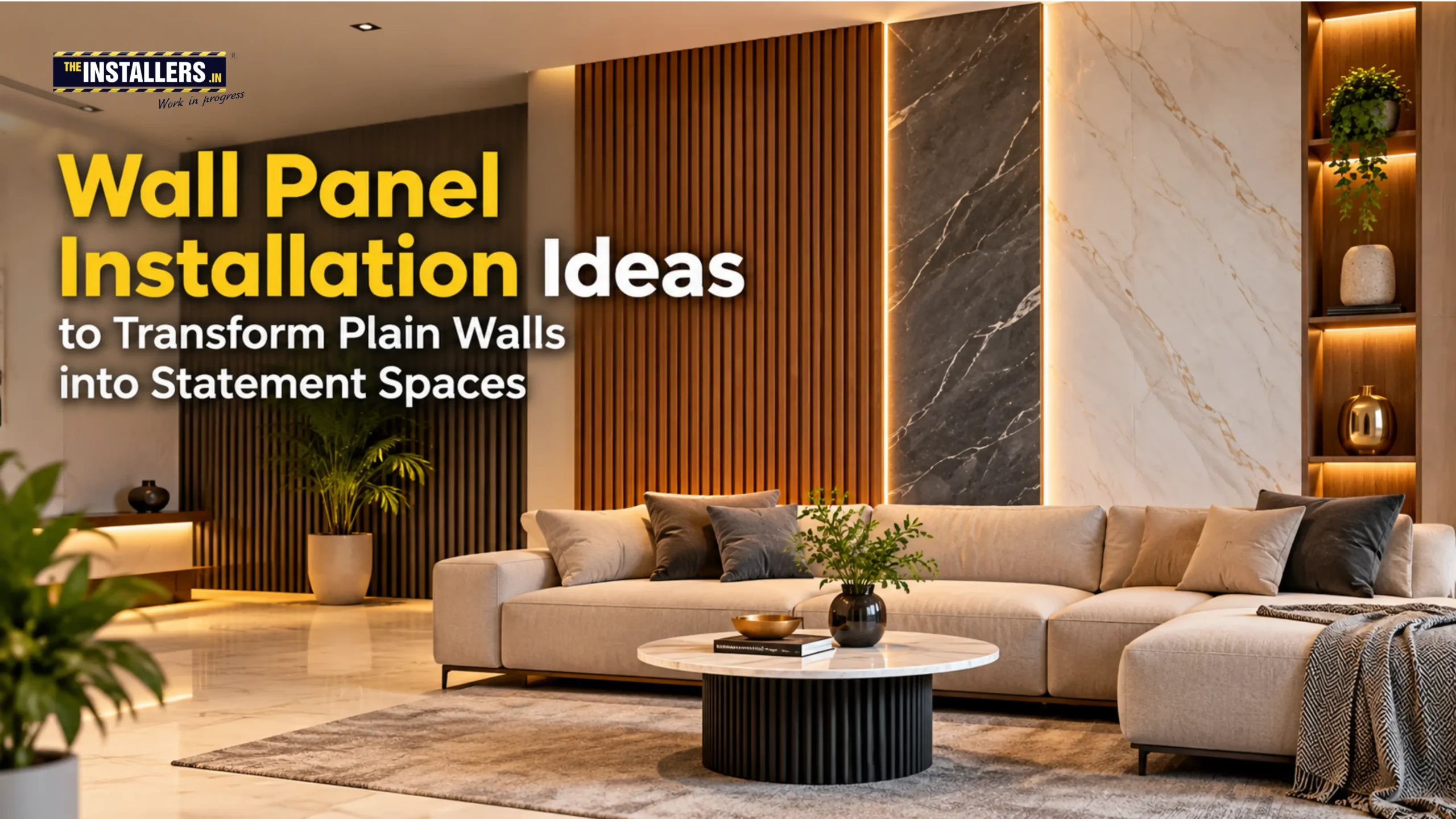

Wall Panel Installation Ideas for Modern Interiors
Wall panels can be used in living rooms, bedrooms, entryways, offices, hospitality spaces, and retail interiors. They work especially well when a room needs a focal point or when a large, plain surface feels unfinished. Before selecting a panel, consider the room’s dimensions, lighting, existing furniture, and the overall look you want to achieve.
1. Wooden Wall Panels for Warm, Timeless Spaces
Wooden and wood-look panels bring warmth and natural character to an interior. In a living room, a wood-panel feature wall behind the television can help organise the visual layout. In a bedroom, panels behind the headboard create a comfortable, hotel-inspired backdrop. Choose the panel tone in relation to the flooring and furniture. Lighter finishes can make a compact room feel more open, while deeper tones create contrast and a more dramatic mood.
2. Fluted Wall Panels for Contemporary Texture
Fluted panels feature repeated narrow grooves or ridges that create rhythm and subtle shadow lines. They are a popular option for contemporary living rooms, reception areas, bedrooms, and feature walls. Vertical fluting can visually emphasise height, while a carefully planned horizontal layout may make a wall appear wider. Use them on one main wall or combine them with a smoother finish for balance.
3. MDF Wall Panels for Decorative Designs
MDF panels can support decorative layouts such as geometric patterns, framed sections, and clean linear designs. Painted MDF panels can blend into the wall colour for a subtle effect or contrast with it to create a stronger focal point. Plan spacing before installation; consistent gaps, aligned lines, and neatly finished corners make a significant difference to the final appearance.
4. TV Unit Backdrops That Bring the Room Together
A wall panel backdrop can help a television area feel more organised and integrated with the rest of the living room. Panels may be paired with a floating console, concealed cable routes, shelves, or accent lighting. Plan the full composition together, including the television position, bracket requirements, cable access, and electrical points. Heavy equipment must be secured to suitable structural support; decorative panels alone should not be assumed to carry the load.
5. Bedroom Headboard Walls for a Calm, Finished Look
Panels behind the bed can give a bedroom a clear centrepiece and connect the bed, bedside tables, lighting, and soft furnishings. A full-width panel design creates a unified backdrop, while a narrower feature section can suit smaller rooms. Measure around the bed and bedside furniture, and keep switches, sockets, reading lights, and access panels usable after installation.
6. Reception and Office Wall Panels for a Professional Impression
In offices, clinics, hotels, and retail spaces, a well-designed panel wall can strengthen the first impression visitors receive. Textured panels can frame a reception desk, define a waiting area, or create a background for signage. Commercial projects need additional planning around durability, cleaning, fire and building requirements, accessibility, and expected use. Choose products that meet applicable specifications and coordinate installation with other trades.
7. Acoustic Wall Panels for More Comfortable Spaces
Acoustic panels are designed to help manage sound reflections in selected environments, such as meeting rooms, home offices, studios, and hospitality spaces. Their performance depends on the product, thickness, backing, coverage, and installation method. If sound control is a key objective, choose panels based on documented acoustic performance rather than appearance alone.
8. Combining Panels with Lighting and Other Finishes
Concealed LED strips, wall washers, and carefully positioned spotlights can create highlights and shadows across grooves and textures. Panels can also be combined with paint, wallpaper, stone-look surfaces, mirrors, or metal trims. Design lighting and panel details together, allowing for wiring, drivers, and maintenance access, and avoid using so many materials that the wall competes with the rest of the room.
How to Choose the Right Wall Panels
Consider the Room and Its Purpose
A living room feature wall may prioritise visual impact, while a busy corridor may need a durable, easy-to-clean finish. Bedrooms often benefit from calmer colours and softer contrasts. Offices and hospitality spaces may need products that meet specific performance and maintenance requirements.
Select Materials for the Conditions
Wall panel options vary in weight, finish, moisture tolerance, maintenance needs, and fixing requirements. Confirm the product’s recommended application before choosing it, especially in areas exposed to moisture, heat, or frequent cleaning. Do not assume that every decorative panel is suitable for every room.
Match Colour, Scale, and Pattern
Consider natural light, ceiling height, floor colour, and furniture scale. Large patterns can dominate a small room, while fine details may be lost on a broad wall. Samples viewed in the actual space can help you assess how the finish changes under daylight and artificial lighting.
Plan the Layout Before Installation
A clear layout plan helps avoid awkward narrow pieces at the edges, misaligned grooves, and clashes with switches or door frames. Mark the centre line, confirm dimensions, and agree on panel direction and joint locations before fixing begins.
Why Professional Wall Panel Installation Matters
The appearance of a panel wall depends as much on installation as on the selected material. Uneven walls, inaccurate measurements, inconsistent gaps, poorly aligned patterns, visible fixings, and unfinished edges can undermine even a high-quality design. Professional installation helps address these details through site assessment, careful setting out, suitable fixing methods, and attention to the final finish.
Accurate Site Measurements
Measurements should account for wall dimensions, corners, skirting, openings, electrical points, furniture, and changes in the wall plane. A site survey can identify obstacles early and help establish a realistic panel layout before materials are cut.
Surface Preparation and Suitable Fixing
The wall should be checked for loose material, dampness, uneven areas, and other conditions that could affect adhesion or fixing. Preparation and fixing methods must follow the panel manufacturer’s instructions and suit the substrate. Electrical or structural work should be completed by appropriately qualified professionals before panels are installed where necessary.
Alignment, Joints, and Finishing Details
Consistent spacing and straight lines are especially important with fluted, geometric, and linear panel designs. Corners, outer edges, joints, and transitions to other finishes should be planned in advance. A final inspection helps identify small gaps, loose sections, visible marks, or other details that need attention.
Common Wall Panel Installation Mistakes to Avoid
- Skipping the site survey can lead to incorrect material quantities, awkward cuts, and conflicts with fixtures or openings.
- Choosing a panel only for its appearance can overlook moisture, cleaning, durability, or performance requirements.
- Ignoring wall condition can affect adhesion, fixing, and the quality of the finished installation.
- Failing to plan electrical points and fixtures can leave sockets, switches, lights, television brackets, or cable access poorly positioned.
- Using inconsistent spacing makes misaligned patterns and uneven gaps easy to notice.
- Overdesigning the space with too many textures, colours, and lighting effects can make the wall feel busy rather than refined.
Wall Panel Maintenance Tips
Routine care helps keep a panel wall looking its best. Follow the manufacturer’s cleaning instructions and use products suitable for the specific finish. Dust textured surfaces gently, wipe marks with an approved method, and avoid excessive moisture unless the panel is designed for it. Check occasionally for loose edges, damaged corners, or signs of moisture and address issues promptly.
How The Installers Can Help
The Installers provides installation solutions for interior and commercial spaces, including wall panels and related interior finishes. A well-managed installation begins with understanding the site, confirming measurements, planning the layout, and selecting suitable methods for the material and wall. Careful alignment and attention to edges and finishing details help the completed wall look cohesive with the wider interior.
If you are planning a feature wall, reception backdrop, bedroom headboard wall, or decorative panel installation, discuss the intended design and site requirements with an installation team before work begins. Clear planning can help reduce avoidable delays and support a more consistent result.
Frequently Asked Questions About Wall Panel Installation
Which wall panels are best for living rooms?
Wood-look panels, fluted panels, and decorative MDF designs can work well. The right option depends on the style, wall condition, budget, and product suitability.
Can wall panels be installed in bedrooms?
Yes. Panels are commonly used behind beds or on selected feature walls. Plan around bedside tables, sockets, switches, and lighting.
Are wall panels suitable for offices?
They can be used in reception areas, meeting rooms, and offices. Choose products that meet the space’s durability, cleaning, safety, and acoustic needs.
Do walls need preparation before panels are installed?
The installer should inspect the surface and address relevant issues such as loose material, dampness, or unevenness. Exact preparation depends on the product and substrate.
Can wall panels be combined with lighting?
Yes. Integrated or nearby lighting can highlight panel texture, but wiring, heat, access, and maintenance should be planned with the design.
How do I maintain decorative wall panels?
Use the manufacturer-approved cleaning method, avoid unsuitable chemicals or excess moisture, and inspect panels periodically for damage or loose edges.
Conclusion
Wall panel installation is an effective way to turn a plain surface into a defining feature of a home or commercial interior. Wooden finishes add warmth, fluted panels introduce texture, decorative MDF creates tailored patterns, and acoustic options can support sound management when selected for the right purpose. The strongest results come from balancing design with practical needs and giving equal attention to site preparation, accurate measurements, alignment, and finishing.With a considered design and professional installation, wall panels can help create a space that feels more complete, distinctive, and connected to the way it is used. For your next interior project, plan the details carefully and choose an installation team that understands the importance of getting the fit and finish right.