
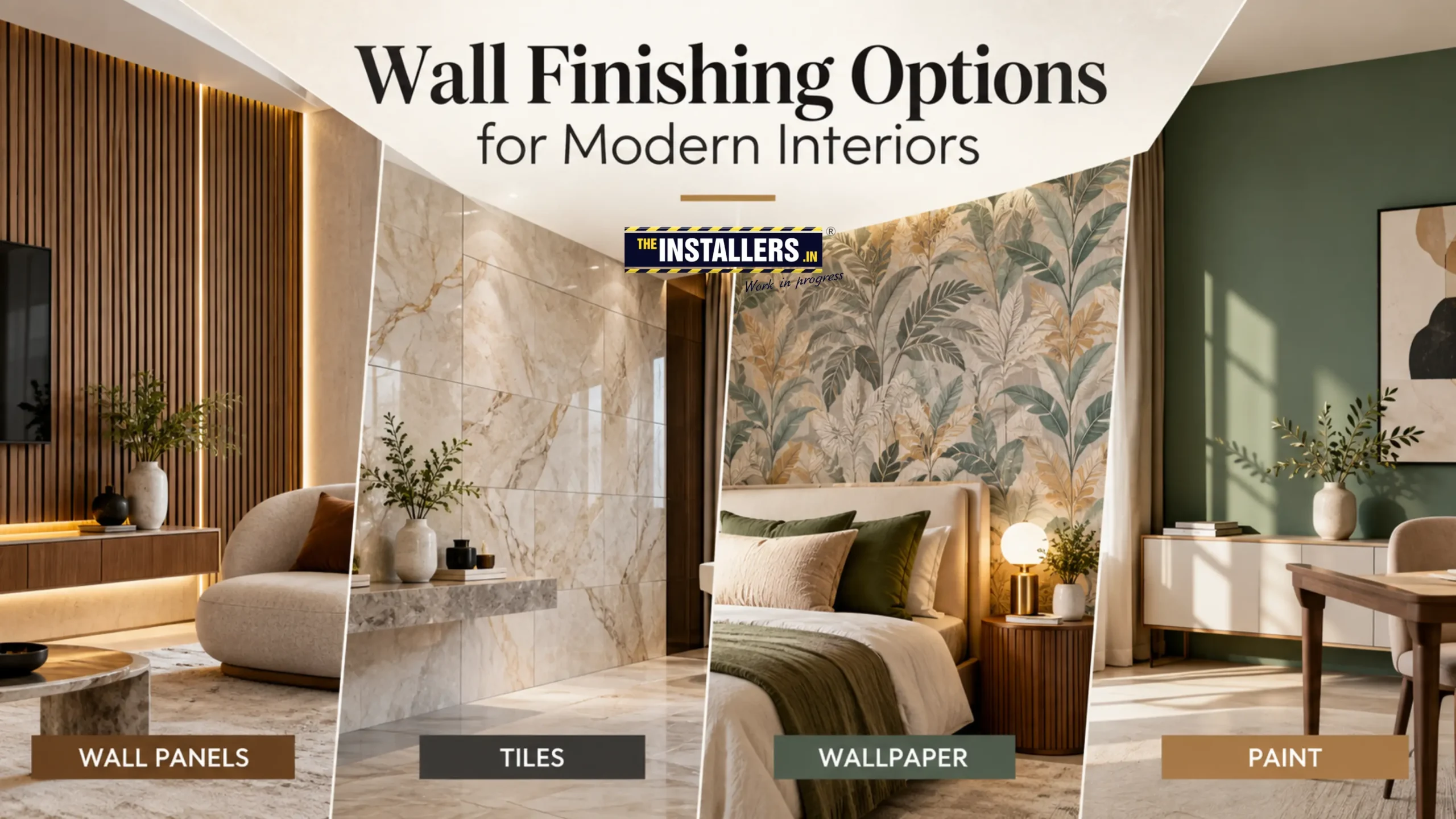

Wall Finishing Options for Modern Interiors
Walls are one of the most visible elements of any interior. The finish selected for a wall can influence the character, atmosphere and overall visual balance of a space. Today, homeowners, designers, offices and commercial properties have many choices, from decorative wall panels and tiles to wallpaper and paint.
Each material offers a different combination of appearance, texture, maintenance, durability and installation requirements. A finish that looks ideal in one room may not be the right choice for another. That is why selecting wall finishing options should involve more than simply choosing a colour or pattern.
The installation process also plays an important role. Accurate measurements, suitable surface preparation, careful material handling and precise finishing can influence how the selected material looks after installation. Understanding both the material and the installation process can help create a cleaner and more refined interior.
Wall Finishing Options for Different Interior Styles
Modern interiors can use wall finishes in many different ways. Some spaces need a simple and clean background, while others benefit from a feature wall with texture, depth or a strong visual pattern.
Wall panels can introduce architectural detail through fluted designs, grooves, lines and textured surfaces. Tiles can create a structured appearance while offering practical benefits in areas that require frequent cleaning. Wallpaper can introduce patterns, colours and decorative themes without major structural changes. Paint can provide a simple and flexible way to refresh a room.
The choice should consider the complete interior rather than one wall in isolation. Furniture, lighting, flooring, room size and the intended use of the space can all influence how a wall finish will look. A coordinated approach can help the wall become part of the overall interior rather than appearing disconnected from it.
Wall Panels Create Texture and Dimension
Wall panels are widely used in contemporary interiors because they can add depth and visual structure to otherwise plain surfaces. MDF panels, WPC panels, fluted panels, louvers and other decorative systems can be used to create feature walls in homes, offices, hospitality spaces and commercial interiors.
One of the key advantages of panels is their ability to introduce texture and dimension. Lines, grooves and repeated patterns can create rhythm across a wall, while different finishes can complement furniture and other interior elements.
However, the quality of a panelled wall depends greatly on installation accuracy. Measurements need to be precise, panel positions need to be planned and spacing needs to remain consistent. Cutting around corners, switches and other elements also requires care. Professional installation can help maintain alignment and produce a cleaner final appearance.
Tiles Provide Durability and Easy Maintenance
Tiles are a practical wall finishing choice for areas where durability, cleaning and moisture exposure are important considerations. They are commonly used in bathrooms, kitchens and other spaces that may experience water, humidity or frequent cleaning.
Tiles are available in many sizes, colours, textures and patterns, making them suitable for both functional and decorative applications. Large-format tiles can create a more continuous appearance, while smaller formats can introduce patterns and visual detail.
Installation requires careful planning. The wall surface needs to be suitable for the application, the layout should be established before fixing begins and cuts should be planned carefully. Consistent joints and accurate alignment contribute to the final appearance.
Even when high-quality tiles are selected, poor installation can affect the overall result. Proper preparation and professional workmanship therefore remain important parts of a successful tile installation.
Wallpaper Adds Pattern and Visual Character
Wallpaper is a popular option for creating a decorative transformation. It is available in a wide range of colours, patterns, textures and visual styles, allowing a plain wall to become a strong design feature.
Wallpaper can be used across an entire room or selectively on an accent wall. It can complement furniture, lighting and other decorative elements while helping establish a particular design theme.
The wall condition is particularly important before wallpaper installation. Uneven surfaces, dust, cracks or other imperfections can affect the final appearance. Accurate measurements are also necessary to plan the required material and pattern alignment.
During installation, careful positioning, smooth application and clean seam management are essential. Bubbles, wrinkles or misaligned patterns can become noticeable once the wall is complete. Professional wallpaper installation focuses on these details to achieve a neat and consistent finish.
Paint Offers a Simple and Flexible Finish
Paint remains one of the most widely used wall finishes because it provides flexibility in colour and can refresh an interior without introducing a separate decorative system. It can be used to create bright, neutral, bold or understated spaces depending on the selected colour and finish.
Paint can also work alongside other wall finishing options. A room may combine painted walls with a decorative panel feature, wallpaper or tiled section to create visual contrast.
Although painting may appear simple, preparation has a major influence on the final result. Existing imperfections may need to be repaired, surfaces may need cleaning and priming may be required depending on the condition and selected coating.
Consistent application and attention to edges, corners and coverage help produce a smoother appearance. For projects where simplicity and colour flexibility are the primary objectives, paint remains a practical choice.
Interior Surface Preparation Creates a Better Foundation
Before any wall finishing material is installed, the condition of the existing surface should be assessed. Preparation requirements vary depending on whether the project involves panels, tiles, wallpaper or paint.
Dust, cracks, uneven areas, moisture, loose material and existing finishes may need attention before installation. A suitable surface can help improve adhesion, alignment and the overall appearance of the finished wall.
Preparation also provides an opportunity to identify site conditions that could affect the installation. Electrical points, corners, doors, windows and other fixed elements may need to be considered during planning.
Rushing this stage can create problems later. A professional approach treats surface preparation as part of the installation rather than as an optional extra.
Accurate Measurement Helps Reduce Installation Problems
Measurement is an important part of planning any wall finishing project. The required material quantity, layout and cutting plan depend on accurate dimensions.
For wall panels and louvers, measurement helps establish panel positioning, spacing and the number of pieces required. For tiles, dimensions influence the layout and cutting requirements. For wallpaper, measurements help determine material requirements and pattern planning. Even painting projects benefit from understanding the surface area and condition before work begins.
Accurate measurement can also help identify unusual corners, openings and other site variables before installation starts. Planning around these details in advance can reduce unnecessary cutting, wastage and installation delays.
Installation Planning Improves the Final Layout
A professional wall finishing project benefits from planning before materials are fixed. The installation team needs to understand where the design begins, how patterns will continue across the wall and how edges and corners will be completed.
For decorative panels, the centreline and visual balance can be important. For tiles, the layout can determine where cuts appear. For wallpaper, pattern continuity can influence where sheets are positioned.
Planning also considers doors, windows, switches, sockets and other fixed elements. When these details are considered before installation, the final wall can look more intentional and balanced.
Precision Installation Creates a Clean Finish
Installation is where the selected material and preparation come together. Precision matters because small inconsistencies can become visible across a finished wall.
Alignment, spacing, cutting, fixing and finishing all require attention. A panel that is slightly out of alignment can affect the appearance of the panels beside it. Uneven tile joints can interrupt a pattern. Poorly aligned wallpaper can make a repeating design appear inconsistent.
Professional installers use appropriate methods and tools for the selected material and site conditions. The goal is not simply to fix the material to the wall, but to create a finished surface that reflects the intended design.
Material Handling Protects the Final Result
Wall finishing materials need to be handled carefully before and during installation. Panels, tiles, wallpaper and paint products can each be affected by incorrect storage, rough handling or unsuitable site conditions.
Careful handling helps reduce avoidable damage before installation. Materials should be checked before use so that visible defects, variations or damaged pieces can be identified during the appropriate stage of the project.
Organised material handling also supports a smoother installation process. Having the required materials, tools and accessories ready can reduce interruptions and help the team maintain consistent workmanship.
Professional Workmanship Makes the Difference
The material may be what people notice first, but workmanship often determines how complete the finished wall looks. Professional installation combines measurement, preparation, planning, technical execution and finishing.
A professional installer also understands that every site is different. Walls may have uneven areas, corners may not be perfectly square and existing construction conditions may affect the planned layout. Installation methods may therefore need to be adapted without compromising the overall design.
Attention to detail throughout the process helps create a more consistent and polished result.
Choosing Wall Finishing Options for Different Spaces
Different rooms have different practical and visual requirements. Living rooms may benefit from decorative wall panels or wallpaper used as a feature. Bedrooms can use textured or patterned finishes to create character. Kitchens and bathrooms may require materials suited to moisture and regular cleaning. Offices and commercial spaces may need finishes that complement a professional environment and withstand regular use.
The purpose of the space should therefore be considered alongside appearance. Maintenance, exposure to moisture, cleaning frequency, available wall area and the desired design style can all influence the final selection.
There is no single material that is suitable for every project. Comparing the characteristics of each option can help homeowners and designers make a more informed choice.
Wall Finishing Options at a Glance
Wall panels, tiles, wallpaper and paint each have different strengths. Wall panels are commonly chosen for texture, depth and feature-wall applications. Tiles are often selected for durable and easy-to-maintain surfaces. Wallpaper provides extensive decorative possibilities, while paint offers flexibility and a straightforward colour transformation.
The comparison should not focus only on the material price. Installation requirements, surface preparation, material wastage, finishing details and long-term maintenance can also influence the overall project.
A professional assessment of the space can help determine which wall finishing option is appropriate for the design objective and site conditions.
The Installers Approach to Professional Wall Finishing
At The Installers, the focus is on professional installation and precise workmanship. The process begins with understanding the site and continues through measurement, preparation, material handling, installation and final inspection.
Whether the project involves wallpaper, wall panels, flooring or other interior surfaces, every stage contributes to the final result. The objective is to make sure the selected material is installed carefully and finished with attention to detail.
A successful interior is not created by the material alone. It is created when the material, planning, workmanship and finishing work together. That is the approach The Installers brings to every project.
Conclusion
Wall finishing options provide homeowners, designers and businesses with many ways to improve an interior. Wall panels, tiles, wallpaper and paint can each create a different visual and practical outcome.